



About qBotica
qBotica is an AI-first automation company that helps enterprises transform operations using intelligent document processing, robotic process automation (RPA), and agentic AI solutions. Their platforms are designed to reduce manual effort, improve accuracy, and accelerate digital transformation.
Key Focus Areas
- Intelligent Document Processing: Extracting, classifying, and validating data from complex documents.
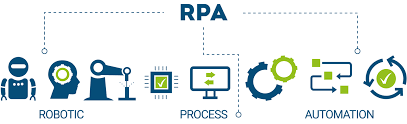
- Robotic Process Automation (RPA): Automating repetitive, rules‑based business processes.
- Agentic AI & Workflow Orchestration: AI agents that coordinate end‑to‑end processes across systems.
- Automation‑as‑a‑Service: Managed automation solutions with ongoing optimization and support.
Industries Served
qBotica works with organizations across sectors such as financial services, healthcare, insurance, logistics, and the public sector, helping them unlock value from unstructured data and streamline complex workflows.
Why Organizations Choose qBotica
- AI‑first approach: Built around modern AI, machine learning, and agentic automation.
- Enterprise‑grade solutions: Designed for scalability, reliability, and security.
- Outcome‑driven: Focus on measurable ROI and faster time‑to‑value.
<!DOCTYPE html>
<html lang="en">
<head>
  <meta charset="UTF-8" />
  <title>qBotica in Healthcare - Intelligent Automation for Providers & Payers</title>
  <meta name="viewport" content="width=device-width, initial-scale=1" />
  <meta
    name="description"
    content="How qBotica helps healthcare providers, payers, and life sciences organizations with intelligent automation and document processing."
  />
  <style>
    body {
      font-family: system-ui, -apple-system, BlinkMacSystemFont, "Segoe UI", sans-serif;
      margin: 0;
      padding: 0;
      background: #f4f6fb;
      color: #1f2430;
    }
    header {
      background: linear-gradient(120deg, #071b3a, #0d4f8c);
      color: #fff;
      padding: 28px 40px 32px;
    }
    header h1 {
      margin: 0 0 6px;
      font-size: 30px;
      letter-spacing: 0.03em;
    }
    header p {
      margin: 4px 0 0;
      font-size: 14px;
      max-width: 650px;
      opacity: 0.9;
    }
    main {
      padding: 30px 40px 40px;
      max-width: 1100px;
    }
    .pill {
      display: inline-block;
      font-size: 11px;
      text-transform: uppercase;
      letter-spacing: 0.09em;
      padding: 4px 10px;
      border-radius: 999px;
      background: rgba(255,255,255,0.12);
      margin-bottom: 10px;
    }
    section {
      margin-bottom: 28px;
      background: #ffffff;
      padding: 22px 24px;
      border-radius: 10px;
      box-shadow: 0 4px 14px rgba(7,27,58,0.06);
    }
    h2 {
      margin-top: 0;
      font-size: 22px;
      color: #071b3a;
    }
    h3 {
      margin-top: 18px;
      font-size: 17px;
      color: #12355b;
    }
    p {
      font-size: 14px;
      line-height: 1.6;
      margin: 6px 0 10px;
    }
    ul {
      padding-left: 18px;
      margin: 6px 0 4px;
    }
    li {
      font-size: 14px;
      margin-bottom: 6px;
    }
    strong {
      font-weight: 600;
    }
    .grid {
      display: grid;
      grid-template-columns: repeat(auto-fit, minmax(240px, 1fr));
      gap: 18px;
    }
    .badge {
      display: inline-block;
      font-size: 11px;
      padding: 3px 8px;
      border-radius: 999px;
      background: #e7f1ff;
      color: #0d4f8c;
      margin-right: 4px;
      margin-bottom: 4px;
    }
    .metrics {
      display: flex;
      flex-wrap: wrap;
      gap: 18px;
      margin-top: 8px;
    }
    .metric-card {
      flex: 1 1 160px;
      min-width: 150px;
      background: #f7f9ff;
      border-radius: 8px;
      padding: 10px 12px;
    }
    .metric-label {
      font-size: 11px;
      text-transform: uppercase;
      letter-spacing: 0.07em;
      color: #5b6473;
    }
    .metric-value {
      font-size: 18px;
      font-weight: 600;
      color: #071b3a;
      margin-top: 2px;
    }
    footer {
      margin-top: 10px;
      padding: 14px 40px 20px;
      font-size: 12px;
      color: #7a8190;
      background: #e8ebf5;
    }
    a {
      color: #0d4f8c;
      text-decoration: none;
    }
    a:hover {
      text-decoration: underline;
    }
    @media (max-width: 640px) {
      header, main, footer {
        padding-left: 18px;
        padding-right: 18px;
      }
    }
  </style>
</head>
<body>
  <header>
    <div class="pill">Healthcare automation</div>
    <h1>qBotica in Healthcare</h1>
    <p>
      qBotica brings AI-driven intelligent automation to healthcare providers, payers, and life sciences organizations,
      helping them streamline clinical and administrative workflows while keeping patients at the center.
    </p>
  </header>

  <main>
    <section>
      <h2>How qBotica supports healthcare</h2>
      <p>
        qBotica applies intelligent document processing, robotic process automation (RPA), and agentic AI to remove manual,
        repetitive work from healthcare operations. From managing prior authorizations to processing claims and digitizing
        patient records, qBotica helps teams focus more on care delivery and less on paperwork.
      </p>
      <div class="metrics">
        <div class="metric-card">
          <div class="metric-label">Faster processing</div>
          <div class="metric-value">2–5×</div>
        </div>
        <div class="metric-card">
          <div class="metric-label">Manual effort reduction</div>
          <div class="metric-value">30–70%</div>
        </div>
        <div class="metric-card">
          <div class="metric-label">Data accuracy</div>
          <div class="metric-value">High</div>
        </div>
      </div>
    </section>

    <section>
      <h2>Key healthcare use cases</h2>
      <div class="grid">
        <div>
          <h3>Intake, eligibility & onboarding</h3>
          <ul>
            <li><strong>Patient intake forms:</strong> Capture and structure data from paper and digital forms automatically.</li>
            <li><strong>Eligibility checks:</strong> Automate insurance eligibility verification across payers.</li>
            <li><strong>Referral management:</strong> Digitize, classify, and route referrals to the right care teams.</li>
          </ul>
        </div>

        <div>
          <h3>Revenue cycle & claims</h3>
          <ul>
            <li><strong>Claims creation:</strong> Extract data from clinical documents and populate claim systems.</li>
            <li><strong>Denial management:</strong> Prioritize and route denials, with automated data collection for appeals.</li>
            <li><strong>Payment posting:</strong> Reconcile remittances and post payments directly to core systems.</li>
          </ul>
        </div>

        <div>
          <h3>Clinical documentation & records</h3>
          <ul>
            <li><strong>Document indexing:</strong> Auto‑classify and tag clinical documents for EMR/EHR systems.</li>
            <li><strong>Unstructured data extraction:</strong> Pull key information from lab reports, discharge summaries, and consult notes.</li>
            <li><strong>Compliance support:</strong> Standardize documentation to support audits and regulatory requirements.</li>
          </ul>
        </div>
      </div>
    </section>

    <section>
      <h2>Core technologies for healthcare</h2>
      <p>
        qBotica combines multiple technologies to build end‑to‑end, healthcare‑ready automation solutions.
      </p>
      <ul>
        <li>
          <strong>Intelligent document processing (IDP):</strong>
          Uses AI and machine learning to read, classify, and extract data from complex healthcare documents such as claims,
          EOBs, referrals, prior auth requests, and medical records.
        </li>
        <li>
          <strong>Robotic process automation (RPA):</strong>
          Software robots handle high‑volume, rules‑based tasks such as data entry, cross‑system lookups, and status updates.
        </li>
        <li>
          <strong>Agentic AI & workflows:</strong>
          AI agents orchestrate multi‑step processes, decide next best actions, and coordinate between EHRs, payer portals,
          line‑of‑business apps, and legacy systems.
        </li>
        <li>
          <strong>Analytics & insights:</strong>
          Workflow data can be used to identify bottlenecks, measure ROI, and continuously improve processes.
        </li>
      </ul>
    </section>

    <section>
      <h2>Benefits for healthcare stakeholders</h2>
      <div class="grid">
        <div>
          <h3>For providers</h3>
          <ul>
            <li><strong>More time for patients:</strong> Reduce administrative burden on clinicians and front‑office staff.</li>
            <li><strong>Fewer errors:</strong> Improve accuracy in patient data, coding, and documentation.</li>
            <li><strong>Faster approvals:</strong> Speed up prior authorizations and referrals.</li>
          </ul>
        </div>
        <div>
          <h3>For payers</h3>
          <ul>
            <li><strong>Streamlined claims:</strong> Automate intake, triage, and adjudication steps.</li>
            <li><strong>Operational efficiency:</strong> Lower manual processing costs and improve turnaround time.</li>
            <li><strong>Better compliance:</strong> Maintain consistent documentation and audit trails.</li>
          </ul>
        </div>
        <div>
          <h3>For patients & members</h3>
          <ul>
            <li><strong>Reduced wait times:</strong> Faster scheduling, onboarding, and benefit approvals.</li>
            <li><strong>Fewer surprises:</strong> More accurate and timely billing and communications.</li>
            <li><strong>Smoother journeys:</strong> Less paperwork, more clarity at each step of care.</li>
          </ul>
        </div>
      </div>
    </section>

    <section>
      <h2>Typical healthcare documents qBotica can handle</h2>
      <p>
        qBotica’s intelligent document processing can be trained on a wide variety of healthcare‑specific document types:
      </p>
      <div>
        <span class="badge">Claim forms (CMS‑1500, UB‑04)</span>
        <span class="badge">EOB / ERA</span>
        <span class="badge">Prior auth requests</span>
        <span class="badge">Referral forms</span>
        <span class="badge">Lab & radiology reports</span>
        <span class="badge">Discharge summaries</span>
        <span class="badge">Operative notes</span>
        <span class="badge">Appeal letters</span>
      </div>
    </section>

    <section>
      <h2>Getting started with qBotica in healthcare</h2>
      <p>
        Healthcare organizations typically start with a focused use case—such as prior authorizations, claims intake, or
        document indexing—then expand automation across the revenue cycle and clinical operations as value is proven.
      </p>
      <p>
        To explore how qBotica can support your specific healthcare workflows, visit the official qBotica website or reach
        out to their team for healthcare‑focused demos and case studies.
      </p>
    </section>
  </main>

  <footer>
    <p>
      © qBotica. This sample page describes how qBotica’s intelligent automation can be applied in healthcare settings.
      Replace or update this content as needed for your own site or internal documentation.
    </p>
  </footer>
</body>
</html>