Qbotica

Author: admin

  • How to Build a Successful Strategy for Agentic AI in Manufacturing

    How to Build a Successful Strategy for Agentic AI in Manufacturing

    Robotic Process Automation (RPA) is not the first technology that has changed the game in the banking and financial services sector, and emerging technologies have significantly transformed it. RPA in banking means computer algorithms, also known as bots that simulate human behavior through engagement with applications, eliciting reactions, and communicating with other systems.

    Simply put, RPA is an excellent automation tool where the rules are concerned -a capability that has been immensely useful in the banking industry. Automation of the banks routine operations has made it possible to concentrate the banks on value addition services and therefore improved their efficiency and customer satisfactions.

    In this article, the author explores the role of RPA in transforming banking automation as well as financial services automation. We will examine some of the features of RPA implementation in different banking functions like:

    • Account Opening
    • Know Your Customer (KYC) Check.
    • Customer Services
    • Compliance Monitoring
    • Payments.

    These are only a few of the spheres into which RPA has penetrated. Learn with us how RPA is transforming the banking processes, rendering them more efficient, enriching the customer experiences, and meeting the regulatory standards.


    The Role of RPA in Automating Banking Processes

    The concept of Robotic Process Automation (RPA) is transforming the conventional banking industry by mechanizing manual operations and procedures that were once time consuming and subject to human mistakes. This technology involves the use of software bots to imitate human behavior and interrelate with online systems thus effectively performing repetitive tasks.

    Examples of RPA in Banking

    The following are some of the concrete areas where RPA is taking a toll in the banking sector:

    1. Account Opening

    RPA streamlines the process of opening an account by automatically retrieving the customer information based on digital forms, data validation, and the establishment of new accounts on the core banking system.

    1. Know Your Customer (KYC)

    RPA bots can execute customer due diligence in KYC verification: they can gather information in several places, authenticate documentation, and identify any inconsistency.

    1. Customer Services

    RPA can support the provision of high-quality customer services through responding instantly to routine questions, addressing customer complaints, and fulfilling the requests related to balance checks or transferring funds.

    1. Compliance Monitoring

    To escape hefty fines, banks have to comply with a lot of regulations. They are able to automate the compliance reporting to manage change in regulations with RPA.

    1. Accounts Payable Management.

    RPA can be used within accounts payable management to automate invoice handling, vendor payments, and reconciliation to improve accuracy and efficiency.

    These examples allow us to understand that RPA is a game-changer in the banking industry. It does not only reduce the operation cost, but also improves the quality of services as well as compliance by reducing human intervention.


    Enhancing Operational Efficiency and Customer Experience through RPA in Banking

    Robotic Process Automation (RPA) has also opened up new levels of efficiency, especially where credit card processing, mortgage loan processing, and fraud detection are concerned.

    Credit Card Processing

    Regarding credit card processing, banks have to deal with many processes, involving the verification and authentication of customer data. RPA is capable of handling a lot of data in a short period; therefore, it saves time. The outcome is a faster credit card delivery, which makes customers happier and their resources more efficiently distributed.

    Mortgage Loan Processing

    The advantage spreads to the mortgage loan processing, too. The available automation simplifies the long and complicated process of mortgage approval. RPA robots are capable of executing duties like verifying a document, conducting credit checks and risk assessment in a very short period. This translates to quicker lending decisions with less possibility of human error.

    Fraud Detection

    RPA can process massive volumes of data quickly providing banks with an advantage in fraud detection. It helps highlight the red flags or anomalies which may indicate fraud. It is a proactive way of ensuring that risks are prevented before they can become major problems.

    These enhancements directly impact on operational costs. Less human work means fewer costs. One more area in which RPA performs well is error reduction; it reduces expensive errors that are part of the manual process.

    When seen through the lens of the customers, these efficiencies introduce smooth dealings with the banks. A better banking experience is aided by faster services, reduced errors and proactive risk management. Therefore, RPA is a revolutionary technology to improve operational efficiency and customer experience in the banking industry.


    Ensuring Compliance and Risk Management with Robotic Process Automation

    Compliance and risk management are not only a necessary evil in a highly controlled banking sector, but also the key element in ensuring the integrity of operations and trust. Robotic Process Automation comes in as a mighty companion, to replace the monotonous and rule-based activity to ensure the maintenance of high standards.


    The RPA and Compliance/Risk Management.

    The following are some of the specific ways RPA can help banks to ensure compliance and risk management:

    General ledger report automation.

    RPA can be used to automate the general ledger reporting process by entering and consolidating data. This accuracy helps to reduce the errors that may cause financial discrepancies or compliance problems. Banks can quickly get insight into their financial status in real time and take corrective measures where necessary.

    Account Closure Process

    Account closure is a delicate process that involves following several rules and regulations. RPA guarantees that all activities such as verification of client requests, transaction processing and closing transactions are done without exception and following the recommended procedures.

    Underwriter Support

    RPA helps underwriters in automating repetitive activities including collecting and analyzing data, which is essential in determining the risks involved in lending. With the help of RPA, banks can make risk assessment not only rigorous and objective but also more informed.

    These solutions are beneficial to banks in two ways as they are incorporated into the banking process: they strengthen the compliance system and release human resources to more valuable and sophisticated work. This not only minimizes the chances of incurring expensive regulatory violations, but also boosts the general strategic capacity of financial institutions in the field of risk management.


    Streamlining Regulatory Compliance and Customer Onboarding with RPA

    The onboarding process is a crucial concern as banks are working toward delivering seamless customer experiences to their clients. The traditional onboarding approach can be long and painful, and can lead to customer loss of interest and attrition. It is at this point that Robotic Process Automation (RPA) comes in to transform the onboarding experience into an efficient process.

    How RPA Improves Customer Onboarding

    RPA is used to support banks in automation of the repetitive tasks associated with customer onboarding, data entry, and document validation. This automation not only saves time in delivering the services to the new customers, but also, reduces the number of errors that arise as a result of manual entries.

    The Benefits of RPA in KYC Verification

    One of the most significant steps to customer onboarding is the Know Your Customer (KYC) verification. Traditionally, KYC has always taken time, two way traffic and a lot of paper work. The RPA could help to automate the KYC mechanisms, including data collection, identity verification, risk management, and data integration. With this, banks can do KYC faster and more accurately.

    Enhancing Regulatory Compliance with RPA

    The other area in which RPA proves to be of immense value is in ensuring regulatory compliance. The environment that banks operate in is constantly changing due to rules and regulations that require a bank to report on time and keep records carefully. These tasks can be automated with an RPA solution to ensure accuracy and consistency in regulatory reporting and also to free up resources to more strategic efforts.

    RPA is another key step towards efficiency and customer-centricity of its activities in a bank, as it reverses the customer onboarding process and helps banking companies comply with regulations.


    Overcoming Challenges in Successful RPA Implementation

    There is a fair share of challenges that come up with the implementation of Robotic Process Automation (RPA) in the banking industry. The following are some of the main challenges and ways of overcoming them:

    Which Processes to Automate.

    It might not be easy to determine the relevant processes that need to be automated. It is about listening to process volume, complexity and standardization. Process assessment is thus a significant process to identify areas that can be automated.

    Achieving Stakeholder Engagement.

    The other important factor is stakeholder involvement. The successful deployment of RPA requires the involvement of all stakeholders including the top management and the employees at the operational level. This collaboration will help align the RPA projects with the overall strategic goals of the bank and help manage change in a manner as seamless as possible.

    Training Workers into New Jobs.

    With the changing roles that come with automation, training programs to help equip employees with the relevant skills in their new positions are necessary.

    Creating an Automation Roadmap.

    To successfully adopt RPA, it is necessary to develop an automation roadmap. A strategic roadmap is a tool, it provides a certain plan, a clear milestones and goals, hence making it easy to execute it.

    Forming a coalition with Technology Providers.

    Lastly, collaboration with the appropriate technology vendors is a critical component of design and implementation support. The appropriate technology provider may provide professional advice, assisting banks in overcoming the RPA implementation challenge.

    Ability to confront these problems directly, banks will be able to use RPA to help them to reach a high level of efficiency in their work and their relationships with customers. The payoffs of adopting RPA can be enjoyed with proper planning and execution by people willing to adopt the groundbreaking technology.


    Future Directions: The Evolving Landscape of RPA in Banking and Financial Services

    Financial services and banking field is also witnessing increased use of Robotic Process Automation (RPA), that will be improved with artificial intelligence in the near future. This will be succeeded by the next wave of automation in the financial services sector as intelligent automation in banks becomes combined with other advanced technologies, such as machine learning (ML) and natural language processing (NLP).

    Intelligent Automation and Cognitive RPA Capabilities

    • Better Decision-Making: With RPA, machine learning algorithms enable a system to arrive at complex decisions based on data trends. Credit scoring or personal financial advice processes may prove immensely useful with such intelligent automation.
    • Process Optimization: Cognitive RPA is not limited to rule-based work, but it reacts to change and acquires knowledge through unstructured data. Such flexibility can lead to autonomous process improvements that can lower the need to intervene with a human.
    • Intelligent Analytics: ML-driven RPA-based solutions can apply to high volumes of transaction data to deliver predictive information to support banks to deploy risk management and fraud detection approaches.

    Leveraging Advanced Technologies for Greater Business Value

    1. Customer Engagement: With the help of NLP, chatbots are capable of addressing more complex customer questions. This technology does not only help to improve customer service but also releases human resources to other complex tasks.
    2. Process Efficiency: ML+RPA can streamline internal operations by discovering bottlenecks and proposing ways to improve them, leading to process efficiency throughout banking activities.

    As you look at these developments it is clear that the banks are about to take a radically new step towards more autonomous operation. These technologies would change the efficiency and customer satisfaction industry norms.


    Transforming the Banking and Finance Industry with qBotica’s Automation Solutions

    qBotica is set to be a leader in the adoption of RPA and intelligent automation solutions that offer banks and other financial institutions the tools they require to deal with the pressures of the digital era. They extend their automation beyond traditional RPA by incorporating artificial intelligence (AI), machine learning (ML), and natural language processing (NLP) to provide more intelligent and cognitive automation features.

    Their solutions will automate most of the banking functions such as opening accounts, verifying KYC, customer support, monitoring compliance, and payable management to mention a few. By doing so, qBotica would not only simplify such operations, but automate them into innovation opportunities and better service delivery.

    Conclusion

    Robotic Process Automation (RPA) is proving to be a useful tool in the banking and financial services sector as we continue to move further into the realm of digital transformation. It is being used to automate standard operations, improve customer services and regulatory compliance. The advantages of RPA use in banking are obvious:

    1. Innovation: RPA software can help banks to reshape their operations and discover new avenues to expand.
    2. Efficiency: RPA is faster and less prone to errors as it automates manual processes, therefore enabling employees to work on more valuable and relevant tasks.
    3. Customer-Centricity: The banks can significantly improve the customer experience with the help of faster and more reliable services.

    Not only are these benefits effective in enhancing the work of banks, but they also show a positive influence on employees, stakeholders, and the overall business performance.

    It should be noted, though, that the successful implementation of RPA demands planning, evaluation, and engagement of all parties involved. Another important thing is to select the appropriate technology partner with whom you can discuss your particular needs and agree on specific solutions.

    You will find yourself in many situations navigating through the turbulence of digital transformation, a path in which you can use the strength of RPA within your organization. It is a powerful tool that can ensure you build up and stay ahead of the competition. You need to welcome change, give your employees innovative technology, and observe as your organization realizes new heights of success.
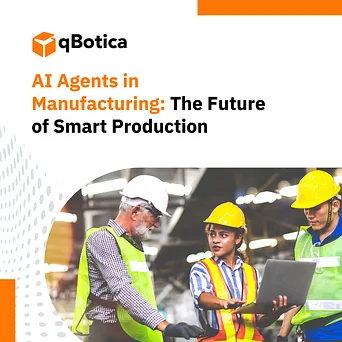
  • AI Agents in Manufacturing: The Future of Smart Production

    AI Agents in Manufacturing: The Future of Smart Production

    Revolutionizing Manufacturing with AI Agents

    The manufacturing industry is evolving rapidly, driven by AI (artificial intelligence). AI agents are redefining automation, enabling real-time decision-making, reducing operational costs, and enhancing production efficiency. Unlike traditional automation, AI agents learn and adapt over time, making them indispensable for modern factories.

    At qBotica, we specialize in AI-powered automation solutions that help manufacturers optimize workflows, minimize downtime, and improve quality control. By integrating AI with IoT, robotics, and machine learning, manufacturers can future-proof their operations.

    Understanding AI Agents in Manufacturing

    AI agents are autonomous digital workers capable of analyzing, predicting, and executing actions to optimize manufacturing processes.

    How AI Agents Work in Manufacturing:

    1. Data Collection – AI gathers insights from IoT sensors, cameras, and historical data.
    2. Processing & Analysis – AI agents interpret data using machine learning.
    3. Decision-Making – AI autonomously makes adjustments to production, quality control, and resource management.
    4. Continuous Learning – AI improves accuracy and efficiency over time.

    Key Capabilities of AI Agents:

    • Predictive Maintenance – Detects potential failures before they occur.
    • AI-Powered Quality Inspection – Identifies defects with 99% accuracy.
    • Real-Time Supply Chain Optimization – Balances demand forecasting and inventory management.
    • AI-Driven Energy Optimization – Reduces power consumption and carbon footprint.

    Discover how QBotica optimizes manufacturing with AI

    The Growing Impact of AI in Manufacturing

    AI adoption in manufacturing is accelerating. The AI in Manufacturing Market is projected to grow from $5.94 billion (2024) to over $230.95 billion (2034) at a 44.2% CAGR.

    Key Challenges in Manufacturing

    Challenge Impact on Manufacturing AI-Driven Solution
    Unplanned Downtime Costly production stoppages Predictive maintenance reduces failures
    Quality Control Issues Product defects lead to recalls AI-powered inspections ensure precision
    Supply Chain Delays Stockouts or overproduction AI forecasting improves inventory planning
    High Operational Costs Inefficient energy & resource use AI automation streamlines workflows

    Result: AI agents help manufacturers achieve a 30-50% increase in efficiency while reducing defects and waste by 40%.

    Learn how AI automates business processes.

    Key Applications of AI Agents in Manufacturing

    AI agents drive innovation and efficiency across multiple manufacturing processes.

    1. Predictive Maintenance & Equipment Monitoring

    AI-powered predictive maintenance eliminates unexpected breakdowns by analyzing machine sensor data.

    Key Benefits:

    • Reduces downtime by 50%
    • Extends machine lifespan by 20-30%
    • Lowers maintenance costs by 30%

    Explore AI’s impact on predictive maintenance.

    2. AI-Driven Quality Control

    Manufacturers lose billions annually due to defective products. AI computer vision systems detect anomalies 10x faster than human inspectors.

    How AI Enhances Quality Control:

    • Detects microscopic defects using advanced imaging
    • Ensures 99% product accuracy
    • Reduces waste & rework, improving sustainability

    See AI in action for quality control.

    3. AI for Smart Production Planning & Scheduling

    AI optimizes resource allocation, demand forecasting, and scheduling by analyzing real-time production data.

    Impact of AI Scheduling:

    • Reduces material waste by 30%
    • Increases production output by 25%
    • Lowers production costs by 15-20%

    Learn about AI in production planning.

    4. AI in Supply Chain Optimization

    AI agents predict demand and automate inventory management, ensuring supply chains remain efficient.

    AI Supply Chain Benefits:

    • Reduces stockouts by 35%
    • Lowers logistics costs by 20%
    • Enhances real-time supplier coordination

    Discover AI-driven supply chain solutions.

    AI-Driven Performance Metrics in Manufacturing

    Metric Pre-AI Implementation Post-AI Implementation
    Defect Rate 8% <1%
    Downtime 15% <5%
    Production Efficiency 70% 95%
    Operational Costs High Reduced by 30%

    See how AI enhances manufacturing efficiency.

    The Future of AI in Manufacturing

    Manufacturing is shifting toward Industry 4.0, where AI, IoT, and robotics converge for hyper-efficient production.

    Upcoming Trends in AI-Driven Manufacturing

    • AI + Robotics: Automating precision tasks with intelligent bots
    • Digital Twins: Simulating production processes for optimization
    • Generative AI: Automating design & prototyping
    • Sustainable AI: Optimizing energy consumption for eco-friendly production

    Explore how AI is shaping Industry 4.0.

    Get started with AI-powered automation today. 

    Final Thoughts: AI-Powered Manufacturing is Here 

    AI is revolutionizing manufacturing, driving efficiency, improving product quality, and reducing costs. Manufacturers that adopt AI agents today will lead the industry in innovation and competitiveness. 

    Ready to upgrade your manufacturing operations?
    ✅ Partner with qBotica to implement AI-driven automation and unlock the full potential of smart manufacturing.

  • Integrating AI Agents into Your Business: A Guide to Accelerating Speed to Value

    Integrating AI Agents into Your Business: A Guide to Accelerating Speed to Value

    Harnessing AI Agents for Smarter Business Operations 


    The rapid evolution of 
    AI (artificial intelligence) is transforming business operations. Companies that embrace AI agents gain a competitive edge through automation, faster decision-making, and improved customer interactions. 

    At qBotica, we specialize in AI-driven automation, helping businesses implement intelligent AI agents that streamline operations and enhance efficiency. But how do you integrate AI agents into your business? Let’s explore the process, benefits, and key considerations. 

    What Are AI Agents? 


    AI agents are
    autonomous systems that can perceive data, analyze patterns, make decisions, and take actions to achieve business goals. Unlike traditional automation, AI agents continuously learn and adapt, making them highly effective for complex tasks. 

    Key Capabilities of AI Agents: 

    • Natural Language Processing (NLP): Understands and responds to human language 
    • Machine Learning (ML): Improves decision-making over time 
    • Process Automation: Handles repetitive tasks without human intervention 
    • Predictive Analytics: Identifies trends and makes proactive recommendations 
    • Multi-System Integration: Works across different platforms and applications 

    Discover how AI-powered automation enhances efficiency. 

    Why AI Agents Are Critical for Business Growth 


    AI agents don’t just improve efficiency; they drive
    speed to value—accelerating time from insight to action. Businesses that integrate AI agents can: 

    Benefit  Impact 
    Faster Decision-Making  Reduces time spent on manual analysis 
    Improved Accuracy  Minimizes human errors in repetitive tasks 
    Enhanced Customer Experience  Provides instant, personalized support 
    Cost Savings  Cuts labor and operational expenses 
    Scalability  Adapts to growing business needs seamlessly 

    See how AI-driven business process automation benefits enterprises. 

    The AI Integration Framework: Discover, Decide, Deliver 


    To successfully integrate AI agents, businesses should follow a three-step framework:
     

    1. Discover: Identifying Opportunities for AI Integration 


    Before implementing AI agents, businesses must
    analyze processes, identify inefficiencies, and define goals. Key areas where AI can add value include: 

    • Customer Support: AI-powered chatbots reduce response times and improve user experience 
    • Finance & Accounting: Automates invoice processing and fraud detection 
    • Supply Chain Management: Optimizes inventory tracking and demand forecasting 
    • Healthcare: Streamlines patient data management and diagnostics 

    Explore AI-powered document processing solutions. 

     2. Decide: Choosing the Right AI Agents for Your Business 


    Selecting the right AI agent depends on
    business objectives, existing infrastructure, and integration needs. Key considerations include: 

    • Cloud-Based vs. On-Premises AI: Cloud AI offers scalability, while on-premises ensures data security 
    • Pre-Trained AI Models vs. Custom AI: Businesses can leverage pre-built AI solutions or develop custom models 
    • AI-Driven vs. Rule-Based Systems: AI-driven agents continuously learn, whereas rule-based systems follow fixed scripts 

    Learn about AI’s role in intelligent automation. 

     3. Deliver: Implementing AI for Maximum Impact 


    Once the AI agent is selected, implementation involves:
     

    • Integrating AI with Existing Systems: Connecting AI agents with CRM, ERP, and other platforms 
    • Training AI Models: Feeding AI with industry-specific data for better accuracy 
    • Monitoring & Optimization: Continuously refining AI performance based on feedback 

    Explore AI’s impact on customer service automation. 

     Real-World AI Agent Use Cases 


    1. AI in Customer Service
     

    • 24/7 chatbots handling 90% of routine inquiries 
    • AI-powered sentiment analysis for real-time customer insights 

    See how AI transforms customer service. 

    2. AI in Healthcare 

    • AI-driven diagnostics improving medical accuracy by 30% 
    • Automated scheduling reducing patient wait times 

    Explore AI’s role in healthcare automation. 

    3. AI in Finance 

    • Automated fraud detection catching 75% of anomalies in real-time 
    • AI-powered loan processing reducing approval times by 50% 

    Discover AI’s impact on financial automation. 

    How AI Agents Drive Business Efficiency: A Data-Driven Approach 

    AI Integration Impact on Business Performance 

    Metric  Before AI  After AI Integration 
    Customer Response Time  24 hours  5 minutes 
    Operational Costs  High  Reduced by 40% 
    Decision-Making Speed  Slow, manual  AI-driven, real-time 
    Employee Productivity  Moderate  Increased by 50% 

    Learn how AI-powered automation accelerates workflows. 

    Get started with AI-powered automation today. 

    Final Thoughts: The Future of AI-Driven Business Automation 


    AI agents are revolutionizing the way businesses operate, delivering 
    speed, efficiency, and innovation. Companies that integrate AI today will gain a competitive advantage in an increasingly digital world. 

    Ready to transform your business with AI-powered automationPartner with qBotica and discover the power of AI-driven efficiency.

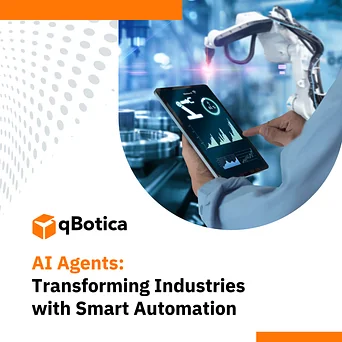
  • AI Agents: Transforming Industries with Smart Automation

    AI Agents: Transforming Industries with Smart Automation

    Introduction: The Rise of AI Agents in Business

    AI agents are reshaping industries by automating complex tasks, optimizing workflows, and enabling businesses to make faster, data-driven decisions. These intelligent systems leverage AI (artificial intelligence) to function autonomously, learn from data, and adapt to changing environments without constant human oversight.

    Organizations across manufacturing, healthcare, logistics, and energy are increasingly adopting AI agents to streamline operations, enhance efficiency, and gain a competitive edge. From predictive maintenance to real-time process optimization, AI agents help businesses reduce costs, minimize errors, and improve overall productivity.

    Discover AI-driven automation solutions for your business.

    What Are AI Agents?

    AI agents are software-driven entities that use artificial intelligence to perform tasks, analyze data, and make decisions without human intervention. These agents range from simple rule-based programs to advanced machine learning models capable of independent reasoning.

    Types of AI Agents

    Type Characteristics Use Cases
    Reactive Agents Operate based on predefined rules without learning from past experiences. Used in automation systems for repetitive tasks.
    Limited Memory Agents Learn from past interactions and improve over time. Common in robotics, self-driving cars, and chatbots.
    Theory of Mind Agents Understand emotions and social interactions, enhancing human-AI collaboration. Applied in virtual assistants and customer service AI.
    Self-Aware Agents Possess advanced reasoning and decision-making capabilities. Still in early research and development stages.

    How AI Agents Work

    AI agents operate by continuously collecting and analyzing data, identifying patterns, and making intelligent decisions based on predefined objectives. These agents can interact with software, machinery, and even human users to provide solutions in real-time.

    Their ability to process large volumes of information quickly makes them ideal for industries requiring fast and accurate decision-making.

    How AI Agents Are Transforming Industries

    AI agents are driving digital transformation across multiple industries by introducing automation, predictive analytics, and intelligent decision-making.

    1. AI Agents in Manufacturing

    The manufacturing industry relies on AI agents to improve operational efficiency, monitor equipment health, and maintain quality standards. AI-driven automation helps factories minimize downtime and enhance productivity.

    Key Applications

    • Predictive Maintenance – AI agents analyze equipment data to predict failures before they happen, reducing costly downtime.
    • Quality Control – AI-powered vision systems inspect products in real-time, detecting defects and ensuring high standards.
    • Supply Chain Optimization – AI agents forecast demand, manage inventory, and reduce supply chain disruptions.

    Learn how AI automation is transforming manufacturing.

    2. AI Agents in the Energy Sector

    Energy companies utilize AI agents to optimize grid management, monitor energy consumption, and enhance sustainability efforts. AI enables better resource allocation and cost efficiency in the energy sector.

    Key Applications

    • Smart Grid Management – AI agents balance power loads and optimize energy distribution for efficiency.
    • Renewable Energy Optimization – AI analyzes weather patterns and adjusts solar panel or wind turbine operations accordingly.
    • Oil & Gas Monitoring – AI detects early signs of equipment wear, preventing failures and reducing environmental risks.

    Explore AI-powered energy solutions.

    3. AI Agents in Healthcare

    The healthcare industry benefits from AI agents that assist in diagnostics, automate administrative workflows, and personalize patient care. AI-powered solutions enhance efficiency and improve patient outcomes.

    Key Applications

    • Medical Diagnostics – AI agents analyze medical images and patient data to detect diseases early.
    • Virtual Health Assistants – AI chatbots provide 24/7 patient support, appointment scheduling, and symptom analysis.
    • Predictive Analytics – AI forecasts patient outcomes and assists in personalized treatment planning.

    See how AI is revolutionizing healthcare.

    4. AI Agents in Logistics & Transportation

    AI-driven automation is enhancing logistics, improving fleet management, and optimizing supply chain efficiency. AI-powered systems make transportation faster, safer, and more cost-effective.

    Key Applications

    • Route Optimization – AI determines the most efficient delivery paths, reducing fuel costs and delays.
    • Autonomous Vehicles – AI agents enhance self-driving technology for logistics and transportation.
    • Fleet Management – AI monitors vehicle health, ensuring timely maintenance and reducing operational costs.

    Discover AI-driven solutions for logistics.

    The Evolution of AI Agents

    AI agents have come a long way from rule-based automation to self-learning systems. The integration of machine learning and deep learning has enabled AI agents to process unstructured data, make independent decisions, and continuously improve their performance.

    With the rise of large language models (LLMs) and generative AI, businesses can now leverage AI agents for strategic planning, operational efficiency, and customer engagement. AI-driven innovations will continue to shape industries, making automation more accessible and effective.

    Challenges in AI Agent Deployment

    Despite their advantages, implementing AI agents comes with challenges. Companies must address these obstacles to maximize AI adoption.

    Challenge Solution
    Data Quality Issues Ensure access to high-quality, contextualized data.
    Integration with Legacy Systems Use AI-compatible middleware for seamless integration.
    Cybersecurity Risks Implement strong security protocols to protect sensitive data.
    High Initial Costs Start with pilot programs before full-scale deployment.

    Explore AI implementation strategies.

    Future of AI Agents

    The future of AI agents is promising, with advancements in automation, machine learning, and human-AI collaboration. Emerging trends include:

    • Improved Human-AI Interaction – AI agents will work alongside employees, enhancing decision-making and productivity.
    • Personalized AI Assistants – AI will provide more intuitive and personalized customer experiences.
    • Industry-Wide Adoption – AI agents will become essential across all industries, from finance to retail.

    Companies that invest in AI technology now will gain a significant competitive advantage in the future.

    Conclusion: AI Agents Are Driving Business Transformation

    AI agents are no longer a futuristic concept—they are actively transforming industries by automating processes, optimizing workflows, and enhancing decision-making. Organizations that embrace AI-driven automation will benefit from increased efficiency, cost savings, and improved business outcomes.

    Whether it’s manufacturing, energy, healthcare, or logistics, AI agents are reshaping the way businesses operate. As technology advances, companies must adopt AI solutions to stay ahead in an increasingly competitive landscape.

    Explore qBotica’s AI-driven automation solutions.


  • Industrial AI Agents: Transforming Business with Intelligent Automation

    Industrial AI Agents: Transforming Business with Intelligent Automation

    AI (Artificial Intelligence) is no longer a concept of the future, it is already taking shape of industries. Companies in manufacturing and energy, logistics, and healthcare are using Industrial AI Agents to automate processes, save on operational expenses, and increase efficiency.

    qBotica is an AI-powered automation company specialized in assisting businesses to optimize their business processes, predictive maintenance, and decision-making based on data. The AI agents in the industries are instrumental in this change, as it provides real-time insights, automation, and better safety precautions in the industries.

    What Are Industrial AI Agents?

    AI Agents in Industry: Industrial AI Agents refer to intelligent software systems, which make use of ML (machine learning), deep neural learning and neural networks to analyze and predict trends as well as optimize processes. AIs, unlike conventional automation tools, are self-adaptive and monitors previous interactions to enhance their accuracy and efficiency.

    How Industrial AI Agents Work

    The efficiency of an Industrial AI Agent relies on three important factors:

    Component Function
    Goal-Oriented AI Designed for specific industrial tasks like predictive maintenance, quality control, and anomaly detection.
    Data Processing Uses big data analytics to extract insights, detect patterns, and optimize workflows.
    Advanced AI Models Utilizes LLMs, neural networks, and deep learning to continuously improve decision-making.

    The AI agents serve as an interface between raw industrial data and insights and are used in businesses to automate vital business processes.

    Why Industrial AI Agents Are Essential

    Conventional industrial methods are slow and ineffective, hence likely to cause delays in production, equipment malfunction, and downtime. The AI agents help deal with them solving these issues by:

    • Increasing Productivity – automates routine processes which give employees the opportunity to do more meaningful work.
    • Enhancing Decision-Making – To get insights to make smart, data-driven business decisions in real-time.
    • Minimizing Downtime – Anticipates the timing of required maintenance to keep equipment expenses down.
    • Reduction of Operational Costs – Improves workflow, minimizes waste and unwarranted costs.
    • Increasing Safety Compliance – Identifies any possible causes of hazards and enforcing of the safety standards.

    How Different Industries Are Using AI Agents

    Industrial AI Agents are neutral to the industry, i.e., they can be applied to any industry. Here is how they are shaking up various industries:

    1. AI Agents in Manufacturing

    In the world of manufacturing, AI revolutionizes manufacturing through predictive maintenance, real-time monitoring, and automated quality control.

    Predictive Maintenance: The artificial intelligence sensors are listening to the machines, predicting failures before they can happen.

    Supply chain optimization: AI has the capability to examine logistics data in order to manage inventory effectively.

    Defect Detection: AI vision cameras identify defects of products with high accuracy.

    2. AI in Energy & Utilities

    AI agents in energy companies are primarily used to ensure intelligent power distribution, outages, and better grid security.

    • Smart Grid Management: Artificial Intelligence will manage power loads to avoid wastage of energy.
    • Renewable Energy Optimization: AI predicts the weather conditions to manipulate energy production in solar and wind plants.
    • Health Monitoring: equipment AI detects errors and leakage in electrical grids as well as pipeline leakages.

    AI-Driven Energy Optimization: Before vs. After

    Metric Before AI Implementation After AI Implementation
    Downtime (hours) 50+ per year Less than 10 hours
    Energy Waste 15% Reduced by 30%
    Maintenance Costs $1.2M per year Reduced by 40%


    3. AI in Logistics & Transportation

    Using AI to automate logistics and supply chain management is revolutionising transport and fleet management by the use of optimised routes, efficient fleet productivity and predictive maintenance.

    • Real-Time Route Optimization: AI finds application to dynamically adapt delivery routes in respect to traffic behavior.
    • Predictive Fleet Maintenance: Artificial intelligence notices wear and tear in vehicles before they break down.
    • Warehouse Automation: AI automated robots accelerate the order filling and monitoring the stock levels.

    4. AI in Healthcare

    Diagnostic automating, improved patient care, and simplification of administration are the three areas that healthcare institutions are turning to AI agents to help.

    • AI-based Diagnostics: AI uses medical scans to diagnose diseases at an early stage.
    • Virtual Health Assistants: Chatbots use AI (24/7 patient care assistance) and booking of appointments.
    • Operation Optimization: AI removes paperwork and administrative load decreases by half.

    Challenges in AI Agent Implementation

    Even though AI agents are highly beneficial, companies encounter multiple obstacles regarding their application:

    Challenge Solution
    Data Management Ensure structured, high-quality data for AI training.
    Integration Issues Use API-driven AI systems for smooth integration.
    Cybersecurity Risks Implement robust AI security measures.
    Initial Investment Start with pilot AI projects before full-scale adoption.

    The Future of Industrial AI Agents

    All types of AI Agents industry are keeping advancing, and in future the advancement is likely to come in:

    • Human-Robot Partnership: AI will be in harmony with the workers and help to increase productivity.
    • Industry-specific AI Assistants: AI will furnish different industries with custom insight and automation.
    • AI-Powered Digital Twins: AI will recreate industrial settings with more successful prediction work.


  • Agentic AI and Business Autonomy: The Future of Intelligent Automation

    Agentic AI and Business Autonomy: The Future of Intelligent Automation

    Agentic AI is a game-changing development in the field of intelligent automation. It gives systems the ability to make decisions and carry out tasks on their own, without needing human involvement. This level of sophistication is crucial in today’s fast-paced digital world, where businesses need to be able to operate independently in order to stay competitive. 

    With the rise of data and rapid technological advancements, businesses that can use intelligent systems to work autonomously will be able to achieve new levels of efficiency and innovation. Intelligent automation, which combines AI capabilities with traditional automation, plays a key role in this transformation by streamlining operations and improving decision-making processes. By integrating Agentic AI into their business models, organizations can expect a future where they can quickly adapt to market demands and respond with agility and accuracy. 

    One area where this digital transformation powered by Agentic AI can have a significant impact is in manufacturing. It has the potential to completely transform operations by increasing production rates, enhancing quality, and minimizing downtime. 

    Agentic AI, Business Autonomy, and Intelligent Automation are not just trendy terms; they are the fundamental concepts that will determine the success of enterprises in the future. 

    Understanding Agentic AI ​

    Agentic AI represents a new frontier in advanced AI systems characterized by their autonomy and decision-making capabilities. Unlike traditional AI models, which follow pre-defined instructions, agentic AI operates with a level of independence that allows it to adapt to changing environments and make decisions based on real-time data.

    Capabilities of Agentic AI:
    Autonomy: These systems can execute tasks without constant human oversight, enabling businesses to streamline operations and reduce manual intervention.
    Decision-Making: Agentic AI employs sophisticated algorithms that mimic cognitive processes, allowing it to evaluate numerous variables and make informed decisions swiftly.
    Key characteristics of agentic AI include:
    Adaptability: Capable of learning from past interactions and experiences, these systems adjust their behavior to improve performance continuously.
    Real-Time Interaction: By processing vast amounts of data instantaneously, agentic AI facilitates timely responses in dynamic situations.
    Scalability: Designed to handle complex tasks across various domains, these systems scale efficiently as organizational needs evolve.

    The role of adaptive decision-making is central to the functionality of agentic AI. By leveraging real-time interactions, these systems can predict outcomes and optimize processes across industries. For instance, an autonomous investment management system can analyze market trends and adjust portfolios proactively, minimizing risks while maximizing returns.

    Agentic AI’s integration into business processes offers transformative potential by enhancing efficiency and fostering innovation. As organizations strive for greater agility and resilience in the digital age, the adoption of agentic AI solutions becomes increasingly crucial in maintaining competitive advantage.

    A notable aspect of this evolution is the rise of Conversational AI, which is becoming an integral part of the agentic AI landscape. This technology enables seamless customer interactions by understanding and responding to human language in a natural way. The implementation of effective strategies for conversational AI not only enhances customer experience but also provides valuable insights into consumer behavior, further optimizing decision-making processes within businesses.

    The Evolution of Intelligent Automation ​

    Using intelligent automation in business processes brings about significant improvements in efficiency, accuracy, and cost reduction. By integrating technologies like intelligent document processing, businesses can automate repetitive tasks, freeing up valuable human resources for more strategic activities. This change not only speeds up process execution but also reduces the risk of errors, improving overall operational accuracy.

    Efficiency Gains Across Industries

    qBotica’s solutions have shown impressive efficiency improvements in various industries. For example, in healthcare, automation has made patient data management smoother, cutting down manual processing times by significant amounts as seen in their case studies.

    Direct Cost Savings Through Automation

    These efficiency gains directly lead to cost savings, as automation decreases the need for extensive manual work and quickens workflow processes.

    Financial Benefits of Intelligent Automation

    One of the main reasons businesses choose to adopt intelligent automation is for its financial advantages. Companies often see a substantial return on investment because automation lowers operational costs and improves how resources are used.

    The use of AI-driven solutions enables enterprises to scale operations without a proportional increase in costs—a critical factor in achieving business autonomy.
    This is where scalable automation becomes essential.

    Agentic AI and Business Autonomy: The Future of Intelligent Automation isn’t just a concept for the future; it’s something many companies are experiencing right now. As businesses continue to embrace these technologies, they are better equipped to stay competitive in a constantly changing digital market.

    By using agentic AI systems, companies ensure that their processes are not only automated but also flexible and able to respond to immediate changes. A notable example includes how qBotica’s automation solutions helped a large financial services company streamline its pricing strategy through GenAI and automation, creating opportunities for a more self-sufficient future.

    Business Orchestration and Automation Technologies (BOAT) ​

    The Gartner BOAT framework is crucial for intelligent automation. It guides organizations in streamlining processes through effective automation. BOAT focuses on coordinating business activities, ensuring different technologies work together for efficient results.

    The Role of AI Agents in Business Orchestration

    AI agents play a vital role in this framework by being integrated into business orchestration. These agents enable adaptive decision-making, allowing systems to respond flexibly to changing business environments. The goal is not just to automate tasks but also to optimize them in line with strategic objectives. AI agents help connect separate systems, improving the agility and responsiveness of business processes.

    Impact on Enterprise Systems
    One significant outcome of the BOAT framework is its influence on end-to-end automation within enterprise systems. Enterprises can now manage processes seamlessly across various departments, resulting in increased efficiency and lower operational costs. This ability to automate complex workflows throughout the organization transforms traditional business operations into agile ecosystems that can quickly adapt.

    Success in Finance: Robotic Process Automation

    The BOAT framework has achieved impressive results, particularly in Robotic Process Automation in Finance. With intelligent document processing for tasks like opening new accounts, billing, and onboarding customers, businesses have significantly improved their financial operations.

    Achieving Process Optimization with BOAT
    By applying the principles of the Gartner BOAT framework, businesses can reach new heights in process optimization. The integration of advanced AI capabilities within this structure enables organizations to foresee challenges and respond promptly, maintaining competitiveness in a constantly changing digital world.

    Applications of Agentic AI Across Industries ​

    Agentic AI is transforming industries by introducing automation capabilities that were once thought to be the realm of science fiction.

    Finance: In finance, agentic AI is revolutionizing autonomous investment management. AI systems now analyze vast datasets, identify patterns, and make investment decisions in real time, providing an unprecedented edge in market responsiveness. This capability not only enhances portfolio performance but also reduces human errors associated with emotional and impulsive trading. For a more in-depth understanding, you can explore this guide on automating wealth management.
    Healthcare: Healthcare is another sector witnessing significant advancements through agentic AI. One prominent application is patient data monitoring. AI agents now continuously analyze patient data, predict potential health issues, and alert healthcare providers before critical situations arise. This proactive approach enhances patient care and optimizes medical resource allocation.
    Supply Chain Management: Agentic AI assists in predictive analytics for demand forecasting, inventory management, and logistical planning in supply chain management. This results in a seamless supply chain operation that adjusts dynamically to market changes.
    Customer Service: AI-driven chatbots and virtual assistants provide customers with instant support, handling queries with precision and learning from each interaction to improve future responses.
    The impact of agentic AI is also being felt in the insurance sector where AI-driven claims management is streamlining processes, making them more efficient, accurate, and customer-centric.

    Agentic AI’s role across these industries underscores its potential to drive efficiency and innovation. Embracing this technology can lead to enhanced operational capabilities and deliver a competitive advantage in today’s fast-paced business environment.

    The Role of Agents in Healthcare ​

    In the healthcare sector, Agentic AI and its agents have the potential to revolutionize patient care and operational efficiency. By leveraging real-time data from various sources, such as patient records, medical devices, and diagnostic tools, agents can make rapid, data-driven decisions that enhance the quality of care.

    Efficiency: Agents speed up business processes by automating repetitive tasks, enabling employees to focus on more strategic objectives.
    Accuracy: Agentic AI agents use precise data analysis, reducing human error in decision-making processes.
    Scalability: With agents handling the workload, businesses can scale their operations without needing proportional increases in human labor.
    Adaptability: Agents adapt to changes in the environment, ensuring businesses can respond to market demands quickly.

    Case Studies in Various Sectors ​

    Real-world examples of successful implementations of Agentic AI are crucial for understanding its transformative potential. qBotica’s solutions have been at the forefront, driving significant improvements in both healthcare and finance sectors.

    Healthcare Sector:

    1. Patient Data Monitoring

    qBotica has deployed intelligent automation to streamline patient data management. By utilizing agentic AI systems, hospitals can now manage vast amounts of data efficiently, ensuring timely updates and reducing manual errors. This has led to improved patient care outcomes and operational efficiency.

    2. Intelligent Document Processing

    In collaboration with leading healthcare providers, qBotica’s intelligent document processing solutions have significantly reduced the time required to process medical records. This innovation enhances data accuracy and accelerates decision-making processes.

    Finance Sector:
    1. Autonomous Investment Management

    Financial institutions leveraging qBotica’s solutions have seen marked improvements in investment management processes. These agentic AI tools enable real-time data analysis, providing insights that enhance decision-making and portfolio management.

    2. Risk Assessment and Compliance

    With automated risk assessment capabilities, financial companies can ensure compliance with ever-evolving regulations. The integration of agentic AI allows for real-time monitoring and reporting, thus minimizing risks associated with manual oversight.

    Impact on Operational Efficiencies:

    Leading enterprises have reported substantial gains in operational efficiencies through the adoption of agentic AI. A notable example is Western Union, where Thomas Mazzaferro praised qBotica’s solutions for drastically reducing execution times for business processes. Such success stories underscore the potential of agentic AI to drive business autonomy and intelligent automation across diverse industries.

    Implementation Challenges and Considerations with Agentic AI​

    Deploying agentic AI in business environments presents a range of challenges that need careful consideration.

    Integration Complexity

    The integration of these systems with existing IT infrastructures can be complex. Legacy systems often lack the flexibility required to seamlessly incorporate AI capabilities, resulting in potential bottlenecks or compatibility issues. Companies may need to invest in updating or replacing outdated technologies to fully leverage the benefits of agentic AI.

    Change Management

    Change management is another significant consideration. Implementing agentic AI not only involves technological adjustments but also requires a shift in organizational culture and workflow dynamics. Employees may need to adapt to new roles as traditional tasks are automated, prompting the necessity for retraining programs and continuous learning opportunities.

    Redefining Workflows and Roles

    A successful transition hinges on redefining workflows and roles to align with AI-driven processes. It’s essential to engage employees throughout this journey, fostering an environment where they feel empowered by the technology rather than threatened by it. Clear communication of the benefits and long-term vision of agentic AI can aid in reducing resistance and enhancing adoption rates.

    Addressing these challenges head-on ensures that organizations can harness the full potential of agentic AI, paving the way for a more autonomous and efficient future.

    Ethical Oversight, Compliance, and Future Outlook for Agentic AI ​

    Establishing ethical standards for human oversight in decision-making processes involving agentic AI technologies is crucial. These standards should focus on transparency, accountability, and fairness to ensure that AI systems act in a manner consistent with societal values and ethical norms. Implementing these standards involves:

    Transparency: Clearly documenting AI decision-making processes to allow stakeholders to understand and scrutinize them.
    Accountability: Assigning responsibility to human operators or organizations for the actions of AI systems.
    Fairness: Ensuring that AI systems do not perpetuate or exacerbate existing biases.

    Strategies to ensure compliance with these ethical standards include regular audits of AI systems, continuous monitoring for bias and discrimination, and implementing robust feedback mechanisms to address potential issues swiftly.

    Looking into the future, agentic AI is poised to play a significant role in shaping business operations. Its development will likely focus on enhancing ethical frameworks and improving compliance protocols. The collaboration between industry leaders, policymakers, and academia will be essential in crafting regulations that balance innovation with societal expectations. As businesses continue to integrate agentic AI into their operations, maintaining a dialogue around ethics will be key to fostering trust and ensuring sustainable growth.

    The Role of Partner Ecosystems in Deploying Intelligent Automation Solutions Effectively ​

    trategic partnerships play a crucial role in the successful deployment of intelligent automation solutions. These ecosystems not only facilitate access to cutting-edge technologies but also offer businesses the expertise needed to harness the full potential of agentic AI.

    UiPath Partner Programs

    The UiPath Partner programs exemplify how collaborations can enhance business autonomy through agentic AI technologies. As a UiPath Platinum Partner, qBotica offers an array of services including planning, building, and troubleshooting automation solutions. This partnership ensures that businesses can leverage a robust framework for implementing intelligent automation effectively.

    Key Benefits of Partner Ecosystems:
    Access to Expertise: Partners provide specialized knowledge in areas like intelligent document processing and cloud computing, enabling tailored solutions for industry-specific needs.
    Enhanced Service Delivery: Managed service provider solutions allow for end-to-end automation, reducing execution time for business processes significantly.
    Industry Recognition: Being recognized as a featured Diamond Certified Partner of UiPath underscores the capability to deliver enhanced services across sectors such as healthcare, manufacturing, and supply chain management.

    Partnerships with leading enterprises worldwide ensure that organizations can navigate the complexities of deploying agentic AI with confidence. These ecosystems foster innovation and operational efficiency, paving the way for the future of intelligent automation.

    Conclusion​

    Using Agentic AI along with traditional methods like professional service automation can be a game-changer for businesses. These technologies not only make operations more efficient but also give businesses more control.

    Here’s how Agentic AI can benefit organizations:

    Adaptive Decision-Making: With Agentic AI, organizations can make real-time decisions, resulting in more flexible and responsive operations.
    Improved Process Orchestration: When combined with intelligent automation, businesses can achieve better coordination of processes, as seen in industries such as finance and healthcare.
    Cost Savings and Increased Productivity: The potential for reducing costs and boosting productivity is significant, benefiting both operational workflows and financial performance.

    As the world of intelligent automation continues to evolve, embracing these advanced technologies puts companies in a position of leadership when it comes to innovation. By harnessing the power of both agentic AI and traditional automation methods, businesses can stay competitive in this rapidly changing digital era.

    The future of intelligent automation is here with Agentic AI and Business Autonomy, bringing forth unparalleled opportunities for growth and efficiency.

  • Gen AI for Financial Forecasting: 5 Ways to Predict Market Trends

    Gen AI for Financial Forecasting: 5 Ways to Predict Market Trends

    The fact of smart automation is also crucial in the contemporary world where life is quite busy. Firms in other industries are embracing smart automation to make their operations easier, reduce their costs and enhance their production. COVID-19 pandemic has increased the urgency of the digital transformation process, which is why the emergence of intelligent automation is not just an option, but a need. Nonetheless, what is automation and how does it transform businesses?

    Coined as intelligent automation (IA), intelligent automation is artificial intelligence (AI) combined with old automation. It incorporates the use of the following technologies: machine learning (ML), natural language processing (NLP), and optical character recognition (OCR) to automate demanding cognitive functions. Such an AI and automation combination does not just make the process of decision-making efficient, but it also makes it better.

    Theorizing Automation and Process Automation.

    To have a full sensibility of the concept of intelligent automation one must be aware of what automation is and what is the difference between automation and process automation.

    Technology automation Process automation is automation of processes to perform repetitive processes. This form of automation is not a new one; it has been simplifying work within the manufacturing and banking among many other businesses. It is more interested in making workflow more efficient and simpler via automating the tiresome jobs.

    Some Fundamentals of Smart Automation.

    Smart automation is based on conventional automation; it involves superior technologies. The smart automation comprises of the following key components:

    Artificial Intelligence (AI)

    Artificial intelligence automation is the primary pillar of AI. AI involves producing mechanisms that can perform tasks that are normally performed manually by human intelligence. This entails problem solving, learning and decision making. AI enables systems to be informed through learning and use of data to become smarter and effective over time.

    Machine Learning (ML)

    Machine learning is a section of AI that involves using statistical models to enable machines to learn. The ML algorithms identify trends and make forecasts, and it implies that the automation systems will be able to do tasks without instructions. This is a significant point when it concerns intelligent process automation where a system should be capable of reacting to new information and new surroundings.

    Natural language processing (NLP).

    The theory of natural language processing allows the machine to understand and analyze human language. The use of NLP is seen in such applications as chatbots or virtual assistants since they can be significantly more natural and intuitive with their users. Applied to the AI, NLP helps automate processes of large volumes of textual data, such as customer support and document analysis.

    Computer Vision

    Computer vision is the technology that helps machines understand what they see in the world. This entails object, face and scene recognition in pictures and videos. Computer vision can find numerous applications as autonomous vehicles and manufacturing quality control. It augments an automated technology with a visual insight that used to be lacking.

    Optical Character Recognition (OCR)

    OCR converts all types of documents e.g. the scanned paper documents or the images made by a digital camera into edible and searchable data. The OCR is also needed to automate data entry and document management whereby the business can integrate the physical documents within the electronic operations.

    The advantages of Intelligent Automation.

    The advantages of the implementation of intelligent automation are multiple. The businesses can enjoy the following among the major benefits:

    • Costs minimization and efficiency improvement.By automating, companies can save a lot in terms of operational costs and efficiency by automating repetitive and time consuming processes. The AI automation allows cutting down on the time of processing and the chances of multiple errors, which increases the reduction in cost and the rise in productivity.
    • Enhancing the Workflow Consistency and Accuracy.Consistency and precision is provided to work processes through cognitive automation. Automated systems can be used to perform tasks and solutions of the same accuracy can be used every time and eliminate the chance of human error and provide quality results.
    • Remote work Role and Job Roles.Remote work is an event that has increased the need for strong automation solutions. IA enables business organizations to be effective and efficient even when the personnel work at their homes. Furthermore, the fact that automation is taking over menial tasks also enables the workers to focus on more strategic and innovative activities which will lead to innovations and development.
    • Identifying and Eliminating Skills gaps.Skills gap in the workforce can be detected through automation in learning. The information about the performance level of the employees and their accomplishment of the tasks will allow the businesses to recognize the spheres of the further training needs. Such engagement implies that the employees are qualified and they are certain that they are performing the task that they are specialized in doing.

    Bright Automation: The Revolutionary force of Business.

    Intelligent automation is transforming various industries by changing efficiency, accuracy and decision-making. To get the idea of an intelligent automation and its transformational effect on different areas, it is better to take some real-life examples:

    Healthcare:

    Intelligent automation is revolutionizing healthcare. This is the way it is changing things:

    Coordination of Administrative Tasks:

    Smart automation helps automate some of the administrative routine functions like scheduling appointments, patient management records and billing. This lowers the administrative workload on the healthcare personnel and enables them to attend more to the patients.

    Patient registration and insurance claims processing among other repetitive jobs can be done by automated systems, which makes them accurate and saves time.

    Managing Patient Records:

    Electronic health records (EHRs) can be effectively handled by AI-driven systems so that the information about patients is arranged, retrieved and safeguarded. This will help in improving the coordination of care by healthcare providers and improve patient care.

    The technology of Natural language processing (NLP) has the ability to retrieve and understand information in unstructured medical records to give valuable information in regard to treatment strategies being given to patients.

    Improving Diagnostic Accuracy:

    Diagnostic tools AI-based can analyze medical images, including X-rays and MRIs, with high accuracy. The tools are capable of identifying anomalies and help radiologists make a more accurate diagnosis.

    When it comes to the early intervention and prevention of diseases, machine learning algorithms can predict disease outbreaks with the help of large datasets of patient information.

    Finance:

    Another industry that has embraced intelligent automation is the finance sector. The following is how it is changing the industry:

    Fraud Detection:

    Smart automation systems are capable of tracking transactional activities in real-time and detecting transactional patterns that could be indicative of fraud. These systems are able to profile suspicious transactions to be followed up.

    Machine learning models are continuously improved by using previous data to improve their fraud detection abilities and to minimize false positives.

    Risk Assessment:

    AI-based applications have the opportunity to evaluate credit risk based on a large amount of data, such as financial history, market trends, and economic indicators. This assists financial institutions to make sound decisions on lending.

    Risk assessment models can be automated and can be applied to investment portfolios, to determine the risks it may have and provide suggestions to alleviate them.

    Regulatory Compliance:

    Adherence to financial regulations is an essential factor in the finance industry. The intelligent automation systems could also assure that every transaction was performed in accordance with the regulatory requirements and minimized the threat of the non-conformity.

    Such systems have the ability to produce comprehensive compliance reports as well, which creates transparency and allows financial institutions to remain in front of changes in regulations.

    Manufacturing

    The manufacturing sector is undergoing a revolution in the form of intelligent automation that optimizes the production process and increases quality control. Here’s how:

    Optimizing Production Processes:

    Robots and automated systems powered by AI are capable of performing complex assembly tasks precisely and fast and enhancing the overall production efficiency. These robots will be able to operate with human workers, with repetitive or dangerous jobs.

    Smart automation can also streamline supply chain management by forecasting demand, controlling the amount of inventory, and delivering raw materials in a timely manner.

    Improving Quality Control:

    Defects in the products can be detected using automated inspection systems which have computer vision during different production stages. This helps to make sure that the market only gets the high quality products hence rework and returns are minimal.

    It is possible to use machine learning algorithms to process production data to find patterns, anomalies so that predictive maintenance can be achieved. This assists in predicting equipment failures and arranging maintenance prior to occurrence of problems and downtime is minimized.

    Reducing Downtime:

    AI-driven predictive maintenance will be able to update equipment health in real-time, detecting possible failure before it happens. This proactive practice reduces the unscheduled periodic breakdown and also prolongs the life of equipment.

    Scheduling systems would be automated to optimize scheduling of production according to availability of equipment, their maintenance needs, and their capacity to employ workers which results in smooth running and continuous operation.

    Retail

    The retailing companies are using the concept of smart automation to improve customer experiences, improve inventory, and, personalized marketing policies. Here’s how:

    • Improving Customer Experiences:
      • Chatbots and other virtual assistants powered by AI have the capability of responding to customer inquiries 24/7, which would provide immediate customer support and enhance customer satisfaction. These chatbots are able to respond to the common questions, help with the product recommendations, and take orders.
      • The use of AI algorithms based on analyzing customer behavior and preferences makes personalized shopping experience possible. Retailers will be able to provide customized product recommendations, promotions, and discounts depending on the profile of a specific customer.
    • Managing Inventory:
      • Smart automation will be able to better manage inventory by forecasting demand and controlling inventory. This makes sure that the popular products are always in stock and the storage cost is minimal and the overstock is reduced.
      • Monitoring the inventory can be done with automated inventory tracking systems which can monitor the stock in real time and provide alerts when stock is low and also automate the reordering of stock. This will help in minimizing the stockouts and it will also lead to timely stock replacement.
    • Individualization of Marketing Strategies:
      • Machine learning can be used to analyze customer data and generate specific marketing campaigns. Knowing the tastes and purchasing tendencies of customers, retailers have an opportunity to provide individual offers and content, which raises the conversion rates.
      • The analytics tools based on AI can be used to analyze the efficiency of marketing campaigns to give information about customer engagement and a payback (ROI). This will help the retailers to fine-tune their strategies, and maximize on marketing expenses.

    Intelligent Process Automation (IPA) and AI.

    A subdivision of IA is intelligent process automation (IPA) which is interested in automating end-to-end business processes. It integrates AI technology with process automation to establish systems that can manage the intricate workflows without human participation.

    The Improvement of Process Automation with AI.

    AI improves automation of processes as it enables systems to learn through data, accommodate changes and make decisions. An illustrative example is the use of AI to analyze customer reviews and feedback to enhance the development of the product or to track supply chain activities to reduce the logistics.

    Applications of AI-powered automation in the Enterprise Environment.

    When applied to an enterprise, AI-driven automation is applied in various tasks, such as:

    • Robots in customer service using AI chatbots.
    • Automating HR functions through artificial intelligence recruitment technology.
    • Improving AI-based cybersecurity by detecting threats.

    The Future of Automated Intelligence.

    The concept of intelligent automation is the future of automation. However, what is automated intelligence? It is a set of systems, which does not only automatize work but is also able to learn and reason and make their own choices. Automated intelligence is the automation of the future, with the introduction of machines as actual partners in business processes.

    Anticipating Trends of Intelligent Automation.

    With the ongoing development of technologies, we can imagine a number of trends in intelligent automation:

    • More efficient use of AI in industries.
    • Focus on responsible automation and ethical AI.
    • Combination with other new technologies, including blockchain and IoT.
    • Further development of cloud-based automation.

    Making Ready a Fully Automated Enterprise Environment.

    To be ready for an entirely automated enterprise environment, companies should invest in the appropriate technologies and create a proper automation plan. This includes:

    • Determine processes that can be automated.
    • Installing scalable automation systems.
    • Train employees to work with automated systems.
    • Monitoring the performance of automation and optimising it constantly.

    Critical Intelligent Automation Technologies.

    The intelligent automation development is propelled by several important technologies:

    State of the Art Analytics and Insights.

    Enhanced analytics is also essential in smart automation because it offers information that can be used to make decisions. Analytics based on data can assist companies to define areas where automation is possible, and the performance of automated operations.

    Scalable, Automated in the Cloud.

    Cloud-native automation solutions are also given scalability and flexibility. As a business increases its automation, it can be increased as required. The solutions are easy to implement and can offer real time updates and analytics to existing systems.

    Dilemmas and Remedies to the adoption of Intelligent Automation.

    Although intelligent automation has numerous advantages, it may be challenging to implement it. Common obstacles include:

    • Employee resistance to change.
    • Expensive start-up costs.
    • Problems with integrating with current systems.
    • Security and privacy of data issues.

    Mechanisms of Overcoming These Obstacles.

    In order to counter such dilemmas, companies may implement the following:

    • Train employees about the advantages of automation.
    • Begin with small, easily manageable automation projects.
    • Collaborate with established automation providers like qBotica.
    • Introduce effective data security measures.

    What Reason to Select qBotica for Intelligent Automation?

    qBotica is one of the most prominent companies that provide intelligent automation. That is why businesses are better off with qBotica:

    • Experience: qBotica has been in business in the field of automation, which provides customized solutions depending on the needs of individual clients.
    • Innovation: qBotica is a company that applies the latest technologies to provide the most innovative automation solutions.
    • Support: qBotica supports the process of consultancy, implementation, and more.
    • Findings: Track record of assisting businesses in saving huge amounts of money in cost and efficiency.

    Conclusion

    To sum up, intelligent automation is transforming the way business is conducted. The combination of AI and other innovative technologies promotes efficiency, cost reduction, and innovation, which is why qBotica is leading the pack of adopting intelligent automation to provide business experts with an unmatched experience and assistance in achieving the goal.

    To find out further how the qBotica can assist your business to succeed in the age of automation, see qBotica.

  • Leveraging Automation to Create a Safe Virtual Learning Environment for Children

    Leveraging Automation to Create a Safe Virtual Learning Environment for Children

    Nowadays, living in a digital-first world, virtual learning environments became an inseparable element of education. It is quite true that as they have facilitated the bridging of gaps, and provided access more than ever before, they have also provided certain challenges particularly to the less fortunate children. Much to the envy of the global non-profit organization, a project has just begun to develop a safe and efficient virtual learning environment in which children aged 6-12 can get taught in the United States. They utilized the innovative power of automation technologies to roll out a program that reached more than 1200 schools providing a secure and more effective online learning environment.

    The Challenge: Bridging the Digital Divide in Virtual Learning

    Children that are poor may also be disadvantaged in their quest to receive quality education due to poor accessibility to education resources and due to poor technological services. In this scenario, the organization wanted to implement a virtual tutoring program to directly help a population to over 2500 children in over 1200 schools. Yet, providing such a comprehensive program also had a few challenges of its own:

    1. Effective Meeting management:Disciplining hundreds of schools to coordinate the virtual classrooms manually may be daunting. Teachers and school administrators had challenges of scheduling, initiating and tracking various sessions. Such wastage resulted in delays and distortion of the entire learning process in the students.
    2. The Problems of using Technologies:In the eyes of several learners and some professors, the challenges became the ability to adjust to the new digital tools. They had to overcome many difficulties without proper preparation or technical assistance (finding their way around the platform or resolving simple problems), and this was a problem that interrupted their educational and pedagogical process.
    3. Ensuring Safety:The organization believed that a learner-friendly environment that is safe and free of distractions was important, especially among the young children. To maintain the integrity of the virtual classroom, a priority was ensuring that students could not deliberately or inadvertently divert discussions at the sessions through access to video or other interactive functionalities.
    4. Scalability:As the program had the potential to expand to other schools, the solution had to be able to accommodate more needs effortlessly. A manual system would have proved unsustainable because as the program was expanded, more workforce was realized to be needed in order to have the automated system that could effectively scale.

    These issues necessitated a scalable, automation-focused and innovative solution in order to make the initiative succeed. Orchestrating Multi-Agent

    The Solution: Automation for Efficiency and Safety

    In addressing these issues, the organization adopted an array of automation technologies aimed at facilitating operations and boosting virtual learning experience. The answer involved two centrally significant parts:

    1. Intelligent Zoom Automation Bot

    Looking after virtual classrooms at hundreds of schools manually may become too overwhelming. To do this, a smart Zoom Bot was launched to streamline the task of setting up and maintaining virtual conferences. This tool ensured that:

    • We opened up to meetings automatically:Students and teachers no longer had to concern themselves with delays in setting up of the system or technical malfunctions. The bot was also used to manage the logistics (i.e. everything commenced at the right time without needing human intervention) and increased the timely nature as well as minimised the down time.
    • Fluent flow during session:The android played an active role by monitoring the sessions to eliminate trivial problems such as inadvertent network errors or structural failures related to the platform. The teachers were able to teach whereas the students enjoyed a smooth continuous learning process.
    • Distractions that were not needed were as few as possible:The robot prevented distractions by disabling the video of students by default, so in the classroom, it was in the professional environment. The latter also lower bandwidth consumption and enhanced the stability of the session generally in places with weak or no internet connections.

    2. Virtual ChatBot for Real-Time Assistance

    acclimatizing to new technology can be quite cumbersome. To this end, it has also incorporated a virtual supercomputer linked as a ChatBot to help teachers and students with standard questions when using the platform. Key features included:

    • Troubleshooting:ChatBot was a solution to common problems, issues like audio problems or when a user had problems logging in were provided in real time. This mitigated the necessity to engage out-of-house technical assistance and allowed the users to troubleshoot problems and expeditiously.
    • Guided Support:To help people not familiar with the platform, the ChatBot provided stepwise guidance on how to perform certain tasks such as entering into a session, changing audio settings, or transferring files. This direction helped reduce frustration and heightened user trust in the technology.
    • Enhanced Accessibility:Simple, easy to use Madge featured interface of the Chat Bot was tailored to school age students. It simplified technology and thus encouraged students and educators to be active participants.

    These programmable control software co-operated to provide a streamlined and secure virtual learning portfolio.

    Ensuring a Safe Learning Space for Children

    Providing a safe and distraction-free student environment was one of the most essential parts of this venture. To make sure this, automation was critical in that it:

    1. Limiting Unnecessary Controls:Features such as screen sharing, chat spamming or unauthorized muting of other students (which would have interrupted the flow of the class) had to be blocked in order to allow students to attend online. With fewer of these controls in place, teachers might be able to keep better classroom discipline and concentrate more on teaching.
    2. Protecting Privacy:Checking out students meant their privacy was not compromised as the video was automatically disabled. This was also to address possible risks of sharing videos improperly or that of accidental sharing, creating a more secure atmosphere among all involved.
    3. Monitoring for Safety:Sessions were monitored constantly by automated systems to indicate and respond to any inappropriate activity. This preventive measure minimised risks and provided a safe environment in which learning could take place in the virtual classroom.

    Through these protection mechanisms, the organization could offer a safe virtual environment where children could do nothing but learn.

    The Results: Transforming Virtual Education

    The results of the work based on the implementation of the applied automation-centered solutions were amazing:

    • Fluid installation in 200+ schools:The solution was rolled out to more than 200 schools successfully within a little period of time. The system proved to be more quickly deployable, and therefore adaptable, to allow additional expansion to support the requirements of the entire target of 1200 institutions.
    • Direct Intervention in at least 2500 Children:The project directly benefited the education of over 2500 needy children, who had poor access to eligible learning materials. The program greatly increased the study opportunities of these students by offering them an organized and amenable virtual classroom.
    • A Learning Space that is safe and effective:The automated security systems provided a distracter-free and secure environment to enable a supportive environment in education. Teachers said that they were able to have better engagement and the students were able to learn without harboring fear over disruption and privacy issues.

    Why Automation Matters in Education

    The effective nature of this project highlights the transformative influence of automation toward dealing with contemporary issues in education. Automation is a game-changer because of this reason:

    1. Scalability:Automation allows programs to quickly grow with no loss of quality or efficiency. Although the initiative expanded to cover hundreds of schools the automated systems were consistent and reliable.
    2. Consistency:Automated systems ensure that there is minimal variability and minimal human error, thus providing all participants with a consistent experience. Standards were forced in the same high standards, even in large locations.
    3. Increased Orientation to the Nuclear functions:Automation enables teachers to use their resources in instruction by doing the administrative and technical work. This diversion positively influences the effectiveness of teaching and interaction with students.
    4. Cost-Effectiveness:Using automations minimizes the amount of human work required and thus heavy constrain on the budgets when committing large scale projects. The impact made by resources would be resulting in a greater outcome when the organization uses fewer resources.

    The Future of Automation in Education

    Automation is going to become an even more important part of the future of digital learning, as it continues to develop. Involved in both expanding access to disadvantaged communities and increasing the efficiency of operations, the opportunities are limitless. This project is a great example of how companies should leverage the power of technology in making a significant change in education.

    Automation is not merely a tool, but a driver in changing the familiar learning process to one that has transformative characteristics, is diverse, and future-driven.

    Conclusion: Paving the Way for the Future

    This successful case reiterates that automation plays a key part in ensuring efficiency, accuracy, and customer satisfaction within the financial services industry. The comprehensive approach of automation enabled the organization to realize not only the short-term gains in the operation, but also the success in the long-term.

    With the industry of financial services undergoing continuous change, automation will be one of the primary facilitators of transformation and development. Those organisations who adopt these technologies will be in a better place to fight the deception of a hugely transforming environment and bring value to customers across the planet.


  • Transforming Financial Services with Automation: Achieving Over 90% Cost and Time Savings

    Transforming Financial Services with Automation: Achieving Over 90% Cost and Time Savings

    The financial sector world has been on the frontline in terms of digital transformation due to the efficiency, measuring accuracy, and scalability. In the current competitive environment, all organizations are in the high stress to ensure that processes are simplified, costs of operation are minimized and customer experiences are improved.

    One of the largest financial services companies has just carried out a large-scale automation program to transform its business. A high level of automation led to exceptional outcomes in the organization, such as more than 90 percent savings on costs and time, increased velocity in document turnaround and simplified operations in all its procedures across the international businesses. The blog discusses how their business was revolutionized by automation and new standards set to guarantee efficient and innovative operations.

    The Challenge: Modernizing Financial Operations

    Financial services industry is an area of complexity, which has its operations across various geographies and acts and regulations, as well as data structures. In the case of the operation organization, a number of operational challenges were known to have hampered its efficiency in operations and customer satisfaction:

    1. Document Translation Requirements in the whole world.Finance records had to be converted into various languages and various standards so as to satisfy the international regulatory standards. The currently used manual processes were slow and took a lot of human activities in order to be accurate and consistent. These tasks, which require up to two weeks to finish, are slowing down operations, making it more expensive, and a possibility of error, which may affect compliance and customer confidence.
    2. Automated Statement Generation.There was a challenge in the generation of eStatements through digital banking. Every statement was to be truthfully consistent with data pertaining to the customers and must be of strict format and regulations. Prior to automation, this was a very manual process that was time-consuming, subject to processing errors and could not handle the sheer amount of customer information being handled per day.
    3. Global Transactions eReceipts.The development of eReceipts of global transactions provided extra dimensions to it. The manual process of creating transactions could not keep up with transactions that involved many currencies, languages and jurisdictions. To bring data of several platforms together into one format, it took a lot of effort to be done manually, thus ineffective.
    4. Cost and Time EfficiencyThe conventional processes were tedious and expensive and this created bottlenecks in the day to day processes. Such wastage crippled the potential of the organization to grow in size and its general competitiveness. It was in dire need of a solution that may not only help lower the cost of operation but also had a tremendous effect of lowering the turnaround times.

    The company needed a future-looking automation technology that could manage a maximum of complex workflows, be scalable, and, at least, compliant in dealing with these challenges.

    The Solution: Automation as a Service

    To address all such challenges, the organization adopted a new innovative automation strategy. The company attained the following by using a sophisticated platform which focuses on business requirements such as automation of documents and integration of data.

    Automated Global Document Translation

    Translating compliance documents in different languages and in different countries was one of the most time consuming activities. The automation platform made possible:

    • Global Scalability:The automated system was to fulfill the use of multiple languages translations so that even in the geographically separated compliance documents would always be correct. This scalability enabled the organization operate extended opportunities around the world without interference to further pressure on the resources.
    • Regulatory Compliance:The platform conformed to different standards of international compliance, which were automated to fit document layout with local regulations. These processes were standardized and thus helped the organization to greatly decrease the possibility of non-compliance and also enhanced the quality of documents.
    • Real-Time Updates:The automation facilitated updates on translated documents in real-time, thus being corrected the moment it was mistaken and shortening time incurred in the rework process. This capability enhanced operation agility and response to changes in the regulations.

    Key Results and Business Impact

    The outcome of the automation process at Deluxe can tell a lot regarding the power of AI-based automation.

    Key Metrics Achieved:

    • Speed to-value: 99%: Reduction in time it took to extract and analyze data had gone down to weeks to a few hours.
    • 800+ Hours Spared: It substituted manual operations with AI-enhanced workflows, which create some free resources.
    • Unified Data Environment: With better accuracy of data, there was a streamlined data governance process and quicker data approval form.

    Employee Empowerment

    Automating routine duties saw employees empowered to look at more valuable tasks hence:

    • Enhanced productivity.
    • Higher job satisfaction and low burnouts.

    Scalability Throughout the Operations.

    The flexibility of the solution, enables Deluxe to continue with automating other essential areas e.g. billing, invoicing and customer onboarding.

    Visit the success stories of qBotica to find how the organization has met success using qBotica.

    Streamlined eStatement Generation

    Another urgent requirement was the generation of eStatements among the global customers. The automation solution that is being offered:

    • Seamless Data Integration:The platform was connected to potent data ecosystems, where customer data are gathered and read out of various sources, then translating them into ready eStatements. This automation was essential because it provided the accuracy, up-to-date and structured data according to the expectations of the customers and regulations.
    • Customizable Layouts:The flexibility of the system allowed development of customized layouts which were in line with the requirements of individual customers and jurisdictions. This flexibility brought about higher levels of customer satisfaction due to the provision of easy to read and good-looking statements.
    • Rapid Deployment:The automated system was also developed and operationalized within a time span shorter than six weeks, unlike the oldercise traditional solutions that either took months to be implemented. This was a fast implementation that reduced the impacts of destruction to the normal operations of the company and provided the organization with instant returns.

    Automated eReceipts for Global Transactions

    Automation was also expected to enable the company to generate eReceipts when effecting transactions all over the world. The major aspects of the solution were:

    • Connection with Data Ecosystems:The system automatically matched receipt layouts to source data by integrating the system with the existing platforms. This removed data entry and errors were removed and faster processing of transactions was achieved.
    • Global Accessibility:The automated solution was able to support various currencies and languages and therefore allowed the single process to serve the requirement of various customer sets in different regions. This knowledge only increased the capabilities of the organization with regard to offering uniform service all over the world.
    • Increased Customer Experience:Customers were provided with accurate transaction details on time as receipt generation increased in speed. It provided better reliability, which enhanced the customer trust and satisfaction which instilled better reputation about the organization as being excellent.

    The Results: Unprecedented Efficiency Gains

    The results of the automation project were transformational, and this work brought down a new line of clear operational efficiency to the financial services department:

    1. Over 90% Cost and Time SavingsThe automation of key processes achieved organizational costs of operations attributed to more than 90 percent reduction. Jobs which once necessitated a great amount of manual labour were being fulfilled without hitches and very little man power. This enabled the business to invest more in areas strategic to its business creating innovations and embarking on growth.
    2. Faster Document Turnaround The automation platform had decreased the time used in translation of compliance documents to less than two days. This not only made it easier to comply with regulations but ensured that decisions were made faster so that the organization was able to react immediately to the changes in the market.
    3. Rapid Implementation The generation solution of the statement took less than six weeks to achieve and was released. This quick deployment demonstrated the agility of the automation platform and reduced the impact of the continued process implementing instant value to the organisation.
    4. An Increased Accuracy and Compliance. Automation also eradicated the mistakes that were involved in the manual procedures by doing everything to follow the strict guidelines that the regulatory bodies required so that the same documents, statements, and receipts complied with the tightest regulations. This concern on accuracy led to boosted reliability of the organization and the establishing trust both to the customers and stakeholders.
    5. Increased Customer satisfaction. The enabled automation project greatly translated in terms of service delivery times and accuracy leading to improved experience by the customer. It increased the competitive advantage of the organization in a competitive environment with strong needs and realistic ones.

    The Broader Implications for Financial Services

    The present case study brings out the power of change that can be brought about by automation in financial services. Repetitive and resource intensive tasks are automated by organizations, which gain enormously in terms of efficiency alongside enhancing compliance and customer satisfaction. Key takeaways include:

    1. Automation Generates Strategy Value. Automation enables companies to focus their efforts on their enterprise growth and development and on customer requests by eliminating human interventions and using the free resources to achieve progress. This transformation generates a long-term value and competitive point.
    2. Improved Technology-based Compliance. Automated systems ease the compliance concern with high chances of not making mistakes and breaking the regulation. This consistency is necessary to have confidence in the financial industry.
    3. Customer Experience Is a Competitive Distinguishing Factor. Improved customer satisfaction can be achieved through the provision of fast, correct and individual service which is undeniably better placed organizations in, among competitors within the environment. Automation can help companies achieve these expectations in an efficient manner.

    Conclusion: Paving the Way for the Future

    This case study highlights the importance of automation as a phenomenon that should create efficiency, precision, and satisfaction to customers of the financial services industry. Through its extensive automation approach, the organization was not only able to realize short-term gains in terms of operations but it was also poised to succeed in the long term.

    With the ever-changing financial services sector, automation will remain one of the capabilities of innovation and development. Organizations that adopt this type of technology will stand in a better position to manoeuvre around the intricacies of a highly dynamic environment and create value to customers across the world.

  • Simplifying Pricing Processes: How Deluxe Saved Over 800 Hours with qBotica and Generative AI

    Simplifying Pricing Processes: How Deluxe Saved Over 800 Hours with qBotica and Generative AI

    The financial services industry is all about precision and efficiency particularly in the contractual obligation as well as price adjustment. Deluxe is a century-old payment and data solutions leader with more than 2 trillion transactions every year and serving millions of small businesses, finance companies, and other global brands. Deluxe with all its size was seriously challenged in dealing with the adjustment of prices in its large collection of complicated legal documents.

    Having more than 900 contracts, amendments, and service agreements to consider, Deluxe had difficulties with time-consuming manual operations, providing inconsistency and slow decision-making. Such inefficiencies not only delayed operational efficiency, but also endangered non-observance of the contract.

    Deluxe also sought an innovative solution and to this end, it collaborated with qBotica, a reputable UiPath Platinum Partner in automation and Generative AI solutions. Using UiPath Document UnderstandingTM and Generative AI, Deluxe realized an incredible 99 percent faster time-to-value and saved more than 800 hours during a single pricing procedure.

    This blog will discuss the life experience of Deluxe, obstacles it faced and how its pricing operations were transformed by the knowledge of qBotica. In case your organization is experiencing comparable operation issues, get to know more about the customized automation solutions offered by qBotica here.

    1. The Complex World of Contractual Pricing in Financial Services

    The process of making changes to contracts is always complicated, especially in cases of organizations that are in the financial services business. Deluxe, with its powerful payment solutions, was in the midst of trying to deal with this complexity. It was becoming impossible to manage contracts, comprehend obligations, and implement compliance using manual processes.

    Deluxe’s Challenge

    Deluxe had more than 900 contractual documents in its records such as master service agreements, amendments, addendums and statement of work. Pulling out pricing-relevant information, including notification requirements, consent clauses, and price caps, was a lengthy, inaccurate process.

    • Manual Dependency: Deluxe used to use manual methods of reading and extracting information by pulling employees out of their routine jobs which resulted in the fragmentation of the data and slower outcomes.
    • Operational Bottlenecks: Consolidation of information took weeks and the results were not always the same.
    • Risks of Non-Compliance: The lack of compliance with the conditions of the contract led to risks, which affected not only the relations with the clients but also the observance of the law.

    Deluxe understood that it was urgent to have a solution that was scalable, precise and efficient to manage this increased complexity.

    Reasons as to why the manual processes were not sufficient.

    The financial services industry requires accuracy and manual work just could not match it. As clients demands and portfolios grew the company needed a solution that would provide steady results and release employees to do higher value work.

    Deluxe did this through collaboration with qBotica and this was its first step towards changing this process. Here, learn how qBoticas automation experience can meet the special requirements of the financial services sector.

    2. Why Deluxe Chose qBotica and UiPath

    Deluxe focused on partners who had comprehensive experience in automation and AI, when seeking a solution to the problem, and qBotica was a Platinum Certified UiPath Partner that had successfully applied their model in industries with high regulation.

    qBotica’s Tailored Approach

    The Automation as a Service model by qBotica was a game-changer to Deluxe. This special service not only guaranteed uninterrupted access to UiPath Document Understanding but also the provision of new opportunities of automation.

    UiPath Generative AI Document Understanding.

    One of the most significant changes in Deluxe was Document Understanding, which is a Generative AI application:

    Natural Language Prompts: Simple prompts to pull out data did not necessitate a complicated AI model training.

    Dynamic Adjustments: Teams were able to make prompts dynamic and alter them in real-time, making it possible to adapt to different document layouts.

    Uninterrupted Data Verification: The Action Center feature of UiPath allowed employees to verify the extracted data and guarantee compliance and accuracy.

    The reason behind Deluxe using Generative AI.

    Generative AI made a process that was considered arduous and simpler. Rather than training costly models, the team at Deluxe would be able to derive useful pricing properties by simply asking the AI what it required. This expedited methodology delivered information in hours as opposed to weeks.

    In case your organization has issues with unstructured data, find out how qBotica Generative AI solutions can work in this case.

    3. Revolutionizing Pricing Adjustments with Generative AI

    The price changes at Deluxe were redesigned in a painstaking decision-making process that integrated automation, AI and human knowledge. qBotica headed this implementation that established new standards of speed, accuracy and efficiency.

    Implementation Process:

    • Document Analysis: UiPath Document Understanding was tested and trained on more than 900 documents; it identified data points including pricing caps, consent requirements and notification clauses.
    • Generative AI Prompts: Conversational prompts explored the motivation of the AI to identify and summarize certain instances of the contractual terms.
    • Validation With Action Center: UiPath Action Center allowed human validation, which meant that the data that had been extracted was correct and could be used.
    • Scalability: The solution was implemented quickly, with PoC going fully to production in March then in April.

    Game-Changing Efficiency

    The identification of pricing attributes was within seconds and information-based decisions were made within the team without delays.

    Data that was extracted was standardized and summarized which minimized chances of misinterpretation.

    Deluxe use of Generative AI in its processes saved it more than 800 hours and brought consistency to a new level. Learn more about the AI-powered automation solutions of qBotica here.

    4. Key Results and Business Impact

    The change at Deluxe can provide valuable lessons to any organization that aims to go on a similar path:

    1. Collaborating with experts is very important.

    By selecting an experienced partner, such as qBotica, the implementation process will be successful and the ROI will be maximized.

    2. Generative AI Generates Complexity.

    Generative AI does not require any costly and time-consuming training with natural language prompts, and can be used by any team.

    3. Automation does not Replace, but Enhances.

    Quality control is provided by human supervision with the use of such tools as Action Center with a combination of AI and human knowledge.

    4. Build for Scalability

    Solutions should be dynamic to meet the changing business requirements as seen in the plans by Deluxe to increase automation in its operations.

    To find out more about the way qBotica can help in the process of automating your organization, see the page of Intelligent Automation on the qBotica website.

    6. Broadening Automation Across Deluxe Operations

    The success of the pricing adjustments that Deluxe has been doing has motivated the organization to extend automation to its operations. The short term areas of focus will be:

    • Billing and Invoicing: Automating the process to minimize errors in manual processes and accelerate financial processes.
    • Customer Onboarding: Optimizing onboarding processes to implement faster and enhance better client experiences.

    The scaling of Long-Term Opportunities:

    Price predictive analytics.

    Artificial intelligence-based market trend analysis to predict and respond to customer demands.

    Learn how automation can reshape the various aspects of your business by going to qBotica Solutions page here.

    7. The Road Ahead for Deluxe and Beyond

    The collaboration between Deluxe and qBotica is only part of a long-term process toward environmental excellence. Through the automation solutions, Deluxe plans to establish new standards in efficiency, compliance and customer experience within the industry.

    Future Aspirations:

    • Generalize Document Understanding to any document based workflow.
    • Web-based Discover new AI-based customer-centric strategies.
    • Keep working with qBotica to find new automation opportunities and realize them.

    Get to know more on how qBotica helps organizations to attain their long-term objectives here.

    Conclusion

    The collaboration between Deluxe and qBotica is an example of how even the most complicated workflows can be changed with the help of automation and AI. Deluxe has established a new standard of operations efficiency and scalability by saving more than 800 hours and realizing a 99 percent faster time-to-value.

    qBotica will revolutionize the work of your organization, so it is time to start working together. Browse what they offer here.